|
Vestibular Disease—often nicknamed “Old Dog Vestibular Syndrome” or “Old Dog Syndrome”—occurs when something affects the vestibular system of a dog’s inner ear. This system controls balance, movement, and posture, so when it’s disrupted, it can significantly affect your dog’s ability to move and function normally. 🐶What Causes Vestibular Disease? There are several potential causes of Vestibular Disease in dogs, including:
🩺Symptoms of Vestibular Disease Dogs with Vestibular Disease may show the following symptoms:
💊How Is Vestibular Disease Treated? The good news is that most cases of Vestibular Disease resolve within 2–3 weeks, especially if the cause is treatable. For instance, when an ear infection is treated, the vestibular symptoms usually clear up as well. In Idiopathic Vestibular Disease (with no identifiable cause), dogs often recover on their own with rest and supportive care. Vets may also prescribe medications during recovery, such as:
Vestibular Disease can appear suddenly and be frightening to witness, but it's usually not life-threatening. It often points to another treatable condition, and with proper veterinary care, most dogs make a full recovery.
If your dog begins acting unusually or shows signs of Vestibular Disease, don’t wait—consult your vet as soon as possible. Early diagnosis and treatment can make all the difference. 🐾 Have you experienced Vestibular Disease with your dog? Share your story in the comments to help support other pet parents going through the same experience!
0 Comments
Winter can be a tough time for our dogs — especially our golden oldies. As dogs age, the drop in temperature can make it much harder for them to move around comfortably. Just like us, older dogs feel the chill in their bones, and their joints can really start to suffer during the colder months.
❄️Arthritis and Winter: Why the Cold Makes It Worse Cold weather can cause a dog’s joints to stiffen, which increases pain and makes movement difficult. This happens because colder temperatures can constrict blood vessels, reducing blood flow to the limbs and joints. 👉 Decreased blood flow = increased inflammation 👉 Increased inflammation = stiffer, more painful joints For older dogs already dealing with arthritis, this can lead to serious discomfort and reduced mobility. 🧦Cold Feet: Yes, Dogs Feel It Too! Just like hot pavement in summer, dogs can feel the cold through the pads of their feet — and in extreme cases, they can even suffer frostbite. If your dog is exposed to low temperatures for too long, it can become dangerous. A good rule of thumb: If you wouldn’t walk barefoot on that surface, your dog shouldn’t either. If you need to walk your dog in freezing temperatures, dog booties can protect their paws and keep them comfortable. 🐶How to Help Your Dog in the Cold There are simple, effective ways to help your furry friend stay warm, comfortable, and mobile during winter:
👉 Check out our full blog on how to keep your dog warm in winter HERE! As our beautiful doggies enter their golden years of life, it's time for us to reassess their day to day activities and what we can adjust to help make them more comfortable. Below are some great tips on where to start! DietA dog’s diet and their weight plays a huge roll in their life expectancy as they age. Moving your dog to a ‘senior’ diet involves reducing the amount of fat and protein in the diet, to make it easier on your dog’s organs to process and to reduce weight gain as their exercise begins to decrease as well. A senior diet or a specific diet suggest by your vet can help to support kidney function, arthritis and joints as well as heart health. It's essential, as your dog reaches their later years in life, that they aren’t carrying any extra, unnecessary weight. Extra weight adds extra pressure to a dog’s joints and can worsen arthritis. A raised food and water bowl for taller breeds is a great way to reduce stress and tension in the neck and back for older dogs. The less bending down they have to do, the easier it will on these areas for them. ExerciseAlthough the level of activity your dog can handle will decrease as they age, it’s important to continue a suitable amount of exercise to help keep your dog healthy, keep them from gaining weight and to help support their joints. You will find you may need to reduce the pace on your walks and also the length and may even need to include some little stops and breaks along the way. It’s best to avoid large hills and any steep inclines or declines, as this just creates extra work for your dog. Keep in mind the time of day for your walks too, as cooler weather will aggravate arthritis and heat can be overwhelming on the heart of an older dog. A great alternative to walks for older dogs is water exercise, including swimming and hydrotherapy. If transporting your dog and you are unable to assist them in and out of the car or if you have stairs around your home, a ramp is a great idea to help them move around. GroomingDaily grooming and body checks of your dog are a great way to keep an eye on any new lumps and bumps that may appear, which is very common in older age. Be mindful of any warts or skin tags when brushing as these can easily be caught in a brush and open up into bleeding sores. Keeping your dog’s nails well clipped and at a shorter length will also assist with their mobility, as they can easily grow into their pads causing a great deal of pain. Bedding & EnvironmentSenior dogs should be spending most of their time inside, enjoying the quiet life. They have no reached their retirement and deserve some good R&R now. You should assess your dog’s sleeping and resting areas for the day and night and ensure that access is easy, with not gaps or small spaces they could fall into or get stuck (ie: between a couch and wall or down the side of a raised bed) Orthopaedic beds are great for providing support and comfort whilst still being soft and gentle on their joints. Beds that are too soft can be difficult for an older dog to get in and out of and very firm or solid beds will offer no comfort or relief to their arthritis. During the cooler weather, arthritis and sore joints can flare up, so keeping a safe but warm environment will ensure your dog stays comfortable. Electric blankets and direct heat can quickly cause a dog to overheat so should be avoided, however a warmed room without a chill in the air can be a lot more comfortable to them. Medical Support & SupplementsWe are so lucky now with how far pet care and research has some and now have a variety of options to offer support and relief to our older pets. Your vet can suggest a number of options to offer pain relief and joint support as your dog ages. These range from oral medications to injections. Your vet should always be consulted prior to beginning any new medication or supplements for your dog as this could affect other medication they are currently taking or other organs.
There are also options of physiotherapy and more natural approaches such as red light, acupuncture and natural herbs and supplements through a holistic vet as well.
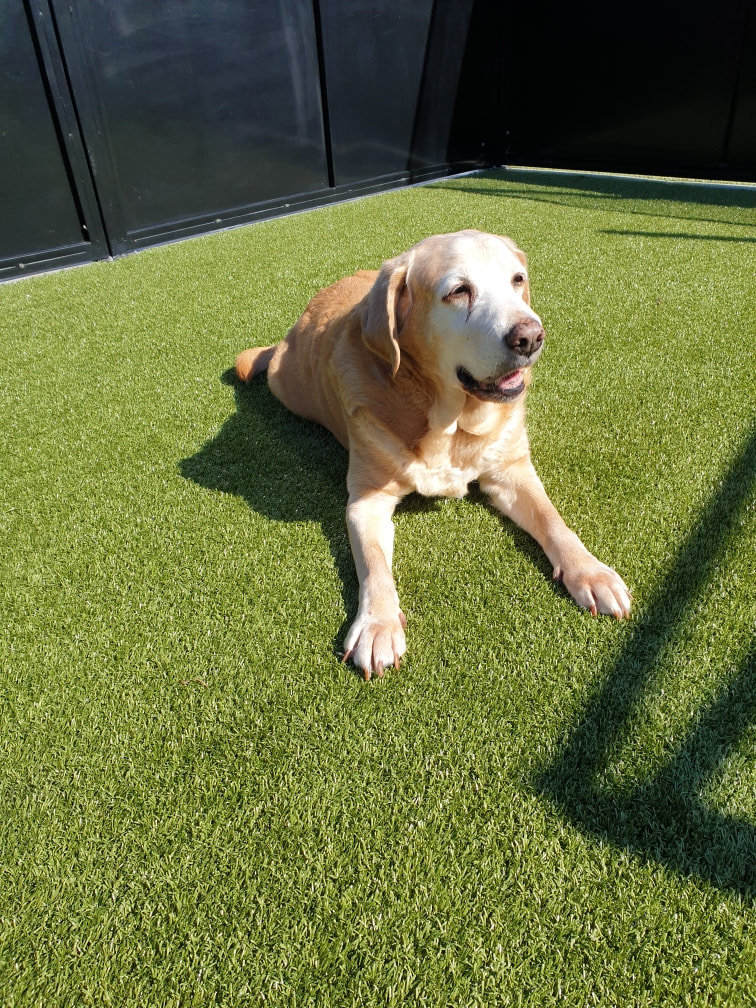
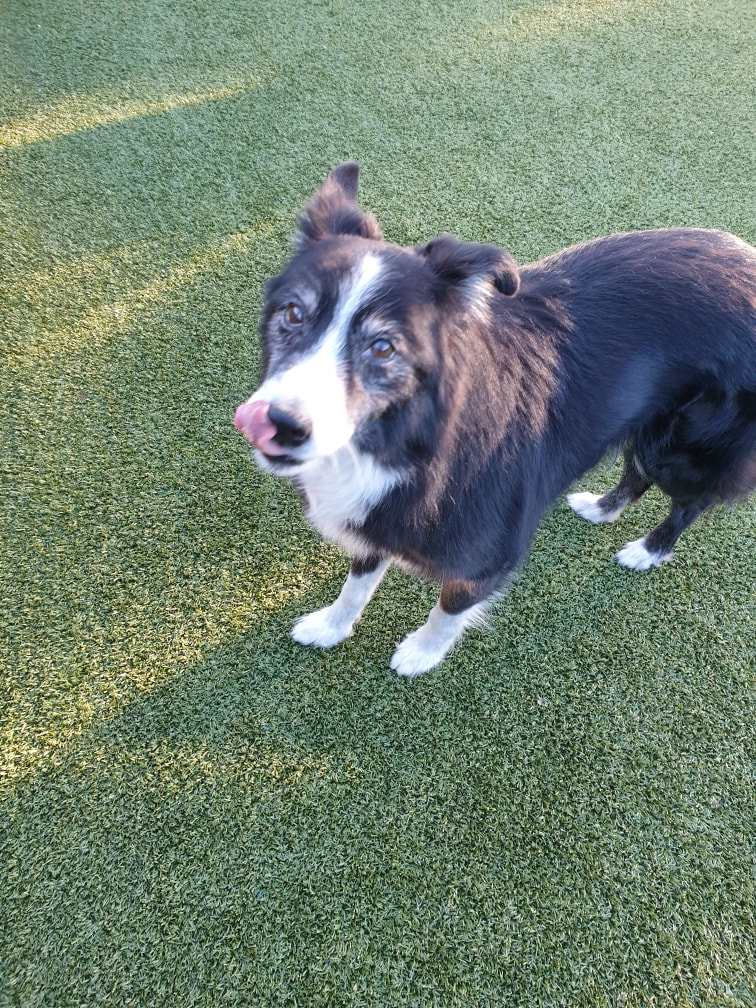
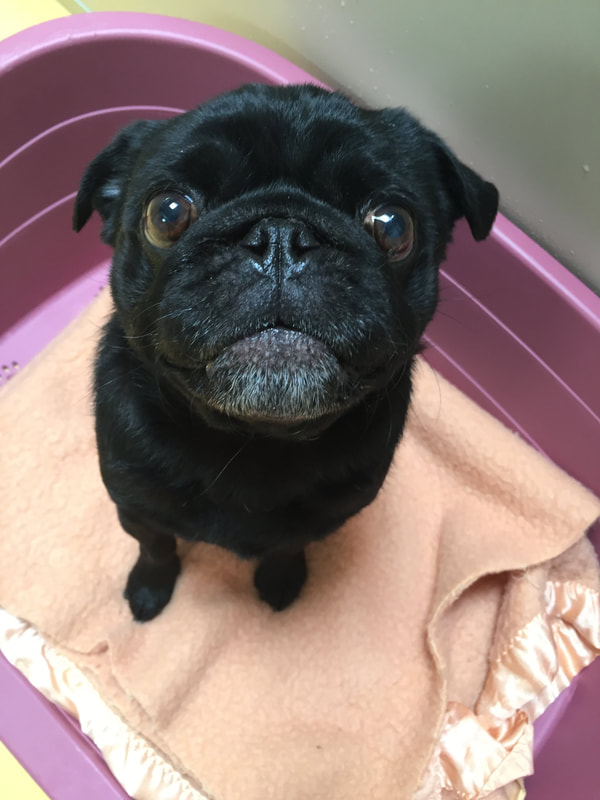
A very special part of our Doggy Doater's role is to be able to care for our Golden Oldie guests as they enter their 'golden' years of life. We offer care and accommodation for any breed and size guest who are in their senior years.
This is a job that we are honored to be able to do and understand what a hard time it can be to leave your oldie when you have to travel. With 24 hour care you can be sure your 'Golden Oldie' will be given the highest level of attention and love whilst enjoying their holiday with us. We offer easy to access low line bedding for those suffering arthritis. Movement from inside to outside through our large human size doors throughout the day is easily accessible with no ramps or stairs and comfortable bedding available throughout all areas. Our oldies enjoy the same 7 star luxury suites as our other guests, with fully heated and cooled rooms so we can temperature control their inside space all year round. A TV to provide light background noise and of course, the love and care of our Doggy Doaters all day long. We understand the needs of our Golden Oldies can vary and our Doggy Doaters are fully trained and equip to help in anyway they can, this includes but is not limited to assistance with mobility, getting up and down and moving around, assistance with going to the bathroom, massages and gentle walks to help those sore joints and administering medication, including oral, liquid and injections. With assistance from the minute they arrive to the minute they depart, you can find comfort in knowing your Golden Oldie is getting the 7 star treatment they deserve whenever they come to holiday at We Love Dogs. |
ARCHIVES
December 2025
CATEGORIES
All
|


RSS Feed